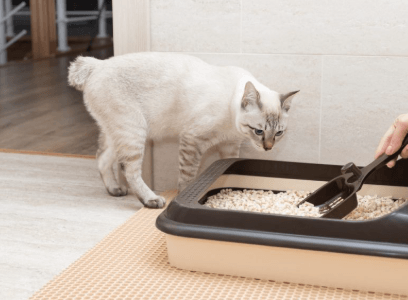
As a cat owner, there is nothing quite as frustrating as finding tiny grains of litter scattered across your hardwood floors, stuck in your carpets, or—worst of all—on your bedsheets. While we love our feline companions, the “trail of sand” they leave behind is a constant cleaning challenge. If you are exhausted from sweeping multiple times a day, finding the best non-tracking litter options is the most effective solution to keep your home pristine.
Understanding cat behavior and the physics of litter tracking is the first step toward a cleaner home. In this guide, we will explore why litter tracks, what to look for in a low-tracking formula, and how to maintain a hygienic environment for both you and your pet.
Why Does Cat Litter Track So Much?
Before diving into the solutions, it is important to understand the cause. Tracking usually happens because of two main factors: particle size and texture.
Standard clay litters are often made of very fine, sand-like granules. These small particles easily get stuck between a cat’s paw pads or cling to their fur, especially in long-haired breeds. When the cat jumps out of the box, those particles travel with them. Additionally, static electricity or moisture on the paws can cause lightweight litter to stick like glue. By choosing a formula specifically designed to stay in the box, you can significantly reduce this mess.
Key Features of Non-Tracking Cat Litter
When searching for the best options, keep these three characteristics in mind:
- Granule Size and Weight: Heavier, larger pellets are much harder for paws to “pick up.” Unlike fine sand, large granules usually fall off the paws before the cat even exits the litter mat.
- Dust Levels: High dust often leads to a muddy residue that sticks to paws. Low-dust or dust-free formulas keep paws dry and clean.
- Texture: Smooth or non-sticky textures ensure that the material doesn’t hook into the fur.
Top Non-Tracking Litter Types to Consider
1. Pine and Wood Pellets
Pine pellets are a favorite for those seeking a “zero-tracking” experience. Because the pellets are large and heavy, they rarely leave the box. When the cat urinates, the pine dissolves into sawdust which settles at the bottom of the box, keeping the top layer clean and track-free. This is often the most recommended transition for owners moving away from traditional clay.
2. Silica Gel Crystals
Silica crystals are highly absorbent and usually come in larger chunks rather than fine grains. These crystals are less likely to stick to fur, making them an excellent choice for long-haired cats. They also offer superior odor control by locking in moisture instantly. Maintaining a clean household is not just about aesthetics; it is deeply connected to your overall wellness. Staying informed via AI for Health can help you understand how environmental cleanliness impacts the health of everyone in your home.
3. Tofu-Based Litter
A rising star in the pet industry is tofu litter. Made from soy fibers, these litters are shaped like small cylinders or “noodles.” The shape is specifically engineered to prevent sticking between toes. Because the pieces are long, they lack the surface area to adhere to the cat’s fur, keeping the surrounding area much tidier.
4. Heavy-Grain Clumping Clay
If you prefer traditional clay, look for “large grain” clumping varieties. These are specifically formulated to be heavier so they drop off the paws immediately upon exit. While they aren’t as “track-proof” as pine, they are a massive improvement over standard lightweight clays.
How to Further Reduce Litter Tracking
Even with the best non-tracking cat litter, a few extra steps can ensure a 100% clean floor.
Use a High-Sided or Top-Entry Litter Box
A box with high walls forces the cat to jump out, which usually shakes off loose particles. Top-entry boxes are even better, as the cat must walk across a textured lid that acts as a built-in cleaning mat before touching your floor. This mechanical agitation is often enough to dislodge even the most stubborn granules.
Invest in a Quality Litter Mat
Don’t settle for a thin towel or a cheap rug. A double-layer honeycomb mat or a deep-groove silicone mat is designed to trap granules. Place it directly at the exit of the box so the cat is forced to take at least two steps on it. This simple addition can catch up to 90% of tracked litter.
Keep Paws Trimmed
For long-haired cats, the “tufts” of hair between their toes act like magnets for litter. Keeping this hair trimmed short can drastically reduce the amount of debris carried out of the box. Regular grooming not only helps with tracking but also prevents matting and discomfort for your cat.
See also: Why Edge Technology Is Critical for IoT
The Impact of Litter on Home Hygiene
Choosing a non-tracking option isn’t just about reducing your chores; it’s about household hygiene. Litter particles can carry bacteria and odors throughout your living space. By containing the mess to the litter area, you maintain a more sterile environment for your family. Many modern litters also incorporate natural scents like green tea or lavender, which help mask odors without using harsh chemicals that might irritate a cat’s sensitive respiratory system.
Furthermore, a dust-free environment is essential for owners or cats with respiratory issues like asthma. Fine clay dust can linger in the air long after the cat has left the room, so moving to a pellet-based system can significantly improve indoor air quality.
Comparison Table: Non-Tracking Materials
| Litter Type | Tracking Level | Odor Control | Eco-Friendliness |
| Pine Pellets | Very Low | High (Natural) | Excellent |
| Tofu Litter | Low | Medium | Excellent |
| Silica Crystals | Medium/Low | Very High | Low |
| Large-Grain Clay | Medium | High | Low |
Conclusion: Making the Switch
Transitioning to a non-tracking cat litter might require a short adjustment period for your cat. Cats are creatures of habit and are often sensitive to changes in texture under their paws. It is always best to mix a small amount of the new litter with the old one over a week to ensure they feel comfortable with the new material.
By focusing on heavier granules and utilizing the right accessories like mats and high-sided boxes, you can finally say goodbye to the constant sweeping. A clean home and a happy cat are easily achievable when you choose non-tracking cat litter that suits your lifestyle. Investing in a premium, low-tracking formula will save you hours of cleaning time in the long run, allowing you to spend more quality time bonding with your pet rather than chasing after their footprints.