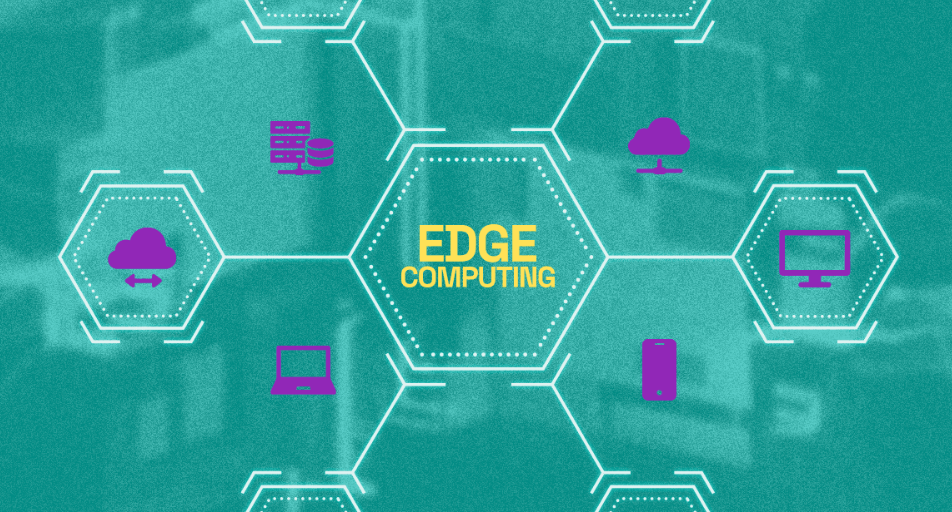
Edge technology plays a pivotal role in the Internet of Things (IoT) ecosystem. By processing data closer to the source, it minimizes latency and enhances efficiency. This decentralized approach not only optimizes bandwidth usage but also strengthens data security and privacy. As IoT devices proliferate, the necessity for real-time analytics becomes increasingly evident. Understanding how edge computing addresses these challenges is essential for grasping its transformative potential in modern industries.
The Role of Edge Computing in IoT Architecture
As the proliferation of Internet of Things (IoT) devices continues to accelerate, the integration of edge computing within IoT architecture emerges as a pivotal strategy for enhancing data processing efficiency and reducing latency.
See also: Why Digital Literacy Matters
Benefits of Processing Data at the Edge
Processing data at the edge significantly enhances operational efficiency for IoT systems.
By minimizing latency and reducing bandwidth demands, edge computing optimizes network efficiency. Additionally, it fortifies data privacy by limiting sensitive information transmission to centralized servers.
This decentralized approach not only empowers users with greater control over their data but also mitigates risks associated with data breaches, fostering trust in IoT applications.
Real-Time Decision Making Enabled by Edge Technology
While traditional cloud computing often introduces delays due to data transmission times, edge technology empowers IoT systems to make real-time decisions by processing data closer to the source.
This proximity facilitates real-time analytics, enabling swift responses to dynamic conditions. By significantly reducing latency, edge technology enhances operational efficiency, allowing organizations to capitalize on immediate insights and drive timely actions in various applications.
Future Trends in Edge Computing for IoT
What innovations lie ahead for edge computing in the IoT landscape?
The integration of emerging technologies will redefine operational frameworks, enhancing efficiency and responsiveness.
Predictive analytics will leverage real-time data processing, enabling proactive decision-making.
As edge devices evolve, they will support advanced machine learning capabilities, fostering a decentralized approach that promotes autonomy and scalability.
Ultimately, this will transform industries and enhance user experiences in a dynamic ecosystem.
Conclusion
In conclusion, edge technology is pivotal for the IoT landscape, facilitating efficient data processing and real-time analytics while enhancing security and privacy. A notable example is a smart manufacturing facility utilizing edge computing to monitor equipment performance and predict maintenance needs in real time. This proactive approach minimizes downtime and optimizes operations, illustrating how edge technology not only empowers users but also drives significant advancements in operational efficiency across various sectors.